How to Keep Artisan Sourdough Fresh for Days
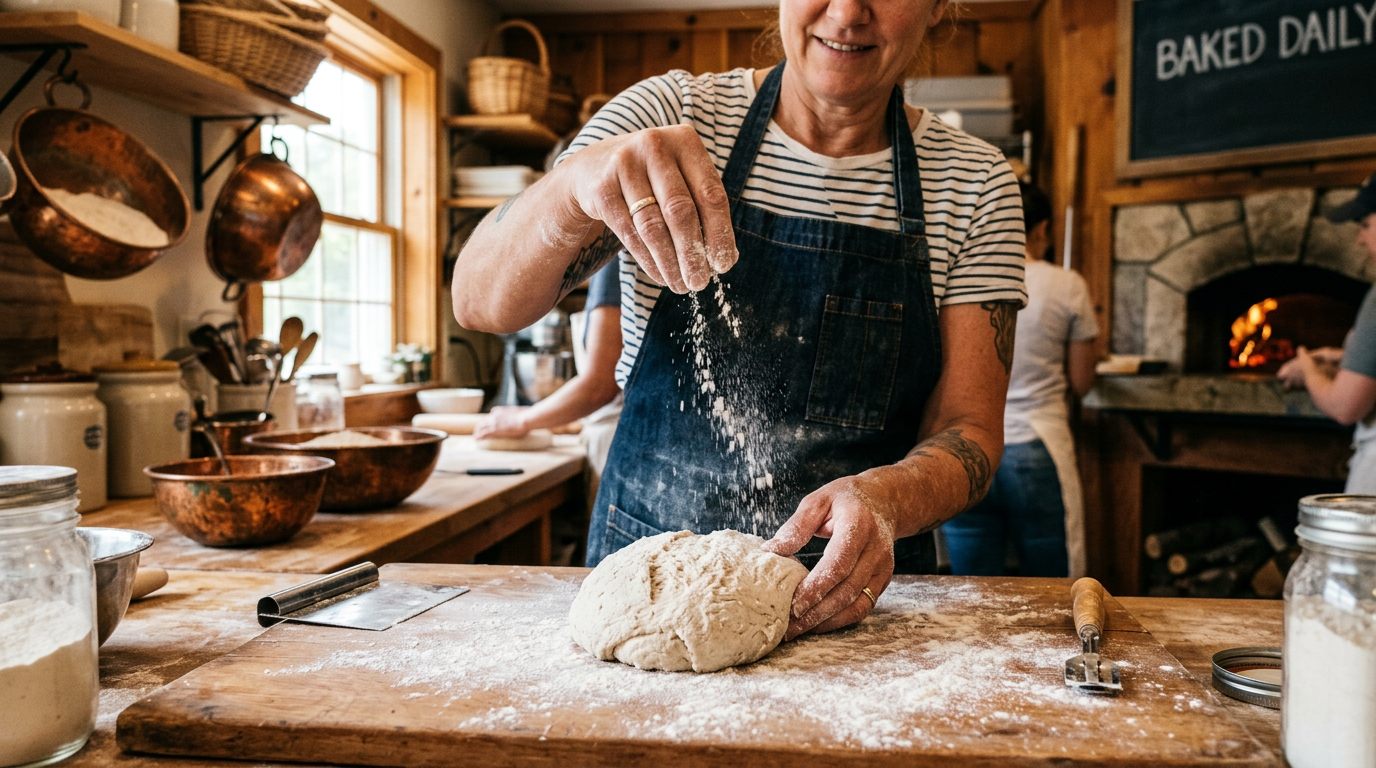
Getting a fresh loaf of artisan sourdough home is one of life's simple pleasures. The thick, crispy crust and soft, chewy interior are at their absolute peak on the day the bread is baked. However, with a few practical habits, you can extend the quality of your sourdough loaf across several days without losing its flavor or texture.
Room Temperature Storage
Store your whole, uncut sourdough loaf cut-side down on a wooden cutting board or inside a plain paper bag for the first two days. Sourdough naturally resists spoiling longer than commercial white bread because of its natural acidity. Leaving the loaf unsealed at room temperature protects the crust from becoming soft or soggy. Once you cut into the loaf, keep the cut face flat against a flat surface to prevent the inside crumb from drying out prematurely.
Freezing Slices for Later
If you know you will not finish an entire loaf within three days, slicing and freezing it is the best method to preserve freshness. Pre-slice the bread into your preferred thickness so you can remove individual slices as needed. Place the slices in a sealed freezer bag, pressing out as much air as possible before closing.
Slice the bread completely before freezing.
Separate slices slightly or stack them tightly in a freezer-safe bag.
Toast individual slices directly from frozen for breakfast or snacks.
Refreshing a Stale Loaf
When a loaf begins to feel firm after a few days on the counter, you do not need to discard it. You can restore moisture and crispness to a whole or half loaf using heat and water.
Lightly splash or mist the outer crust with cold water.
Place the wet loaf directly into an oven preheated to 350 degrees Fahrenheit.
Bake for seven to ten minutes until the crust becomes crisp again.
Let the loaf rest for five minutes before slicing and serving.
What Not to Do
Never store fresh sourdough in a standard plastic bag at room temperature if you want to keep the crust crispy. Plastic traps humidity, turning a crunchy crust soft and rubbery within hours. Additionally, avoid storing your bread in the refrigerator. The cool temperature inside a refrigerator actually accelerates the starchy crystallization process, causing the bread to turn stale much faster than it would on your kitchen counter.
Fresh sourdough responds best to dry air on day one, and a hot oven on day three.
About Chef Clara
Clara is the Head Baker and co-founder at Crumb & Clover. With a background in French pastry arts and a passion for ancient grain baking, she leads our morning oven crew every day.
Read Clara's Story →Get Seasonal Recipes & VIP Cake Pre-Orders
Subscribe to our weekly newsletter for weekend baking secrets, fresh menu updates, and early access to custom cake slots.